Astronaut Biospecimen Collection
Overview
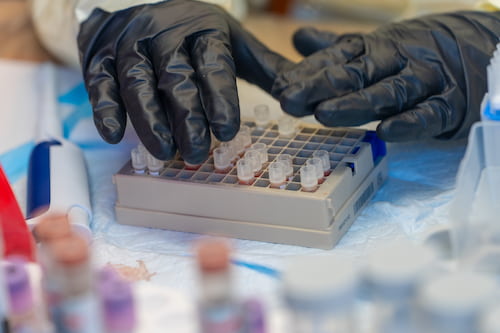
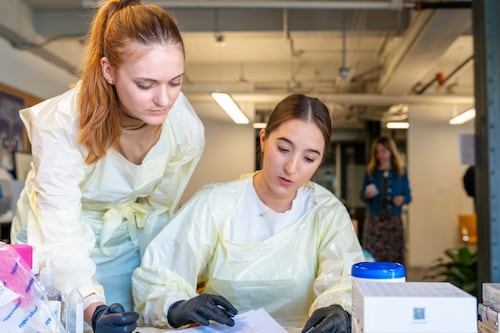
The Torchlight Summit will host a coordinated biospecimen collection effort involving participating astronauts and commercial spaceflight crew. This initiative contributes to ongoing research in astronaut health, molecular biomonitoring, and human adaptation to spaceflight.
Collections will support longitudinal multi-omics analysis across missions, helping to define how human biology responds to the conditions of space and returns to Earth.
Purpose
Human spaceflight introduces environmental conditions that differ fundamentally from those on Earth: microgravity, radiation exposure, confinement, and altered circadian rhythms. These stressors affect nearly every biological system.
This collection effort is designed to:
Characterize post-flight physiological and molecular changes
Contribute to cross-mission astronaut omics datasets
Enable comparative analyses across individuals, missions, and timelines
Support the development of countermeasures for long-duration spaceflight
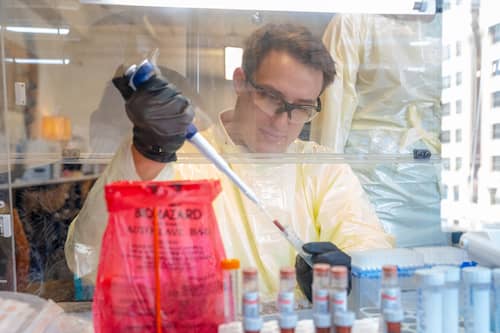
All samples will be integrated into ongoing research frameworks, including biobanking and downstream computational analysis pipelines.
What We Collect
Biospecimen collection is non-invasive and designed to minimize disruption to participants during the summit.
Sample types may include:
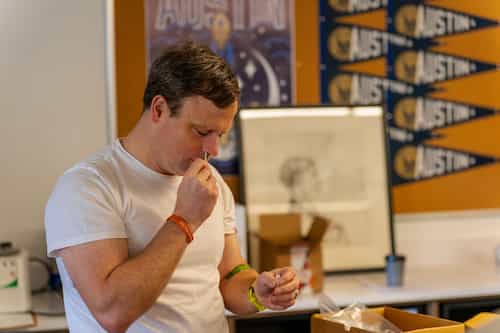
Saliva
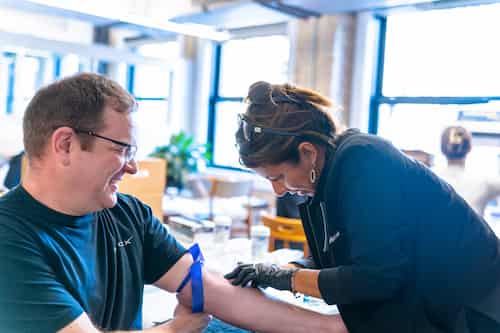
Blood (finger prick or venous draw, depending on protocol)
Urine
Stool
Skin Swabs
Optional additional specimens depending on IRB-approved protocols
Collection protocols are standardized to ensure consistency with prior and future sampling efforts.
Participation
Participation is voluntary and limited to invited astronaut and crew participants.
Each participant will:
Complete an informed consent process prior to collection
Be briefed on the purpose, procedures, and use of samples
Have the opportunity to ask questions before and during participation
Participants may opt out of any portion of the collection at any time.
Data and Use
Samples will be processed and stored under approved research protocols and may be used for:
Genomics, transcriptomics, proteomics, metabolomics, and related analyses
Longitudinal tracking of astronaut health markers
Integration into larger research datasets supporting space biology and medicine
All data handling will follow applicable ethical, legal, and privacy standards.
Why This Matters
Defining the biological limits of human spaceflight is a prerequisite for building durable human systems beyond Earth.
Each collection contributes to a growing body of data that informs:
Astronaut health and safety
Space mission design
The future of human expansion beyond Earth
This work is part of a broader effort to establish a persistent, high-resolution understanding of human biology in spaceflight environments.
Meet Our Biospecimen Collection Team
The Torchlight biospecimen collection effort builds on a growing portfolio of astronaut sampling campaigns conducted across both orbital and suborbital missions. Together, these missions span a range of flight profiles, durations, and participant backgrounds, providing a unique foundation for understanding human biological responses to spaceflight.
The team has led or supported biospecimen collection across the following missions:
NASA Twins Study — a landmark longitudinal study comparing an astronaut in orbit with his Earth-based twin, establishing a foundational framework for multi-omic analysis of human spaceflight
Inspiration4 — the first all-civilian orbital mission, enabling one of the most comprehensive multi-omic datasets from non-professional astronauts
Polaris Dawn — a high-performance commercial mission advancing longitudinal sampling and expanded physiological profiling
NS-21 and NS-26 — suborbital missions providing rapid pre- and post-flight sampling opportunities to study acute biological responses to spaceflight
Axiom-2 — a private mission to the International Space Station enabling integration of commercial astronaut data with established orbital research frameworks
Fram2 — the first human spaceflight mission to achieve a polar orbit, enabling biospecimen collection across a novel flight profile and supporting longitudinal multi-omic analysis of astronaut adaptation
Across these missions, the team has implemented standardized biospecimen collection protocols and coordinated closely with crew, operators, and research partners to ensure high-quality, longitudinal data capture.

JangKeun Kim, PhD
Dr. JangKeun Kim is a Research Associate at Weill Cornell Medicine who specializes in the multi-omic and immune system responses of the human body to spaceflight. He has played a leading role in analyzing data from the SpaceX Inspiration4 mission to identify a "spaceflight signature" of gene expression and immune cell adaptation and collecting biospecimen samples from astronauts on the Polaris Dawn and Fram2 missions.
Jeremy Wain Hirschberg, MS
Jeremy Wain Hirschberg is a Research Specialist in the Mason Lab at Weill Cornell Medicine, where he focuses on the multi-omic effects of spaceflight on the human body. He plays a key role in the development and management of the Cornell Aerospace Medicine Biobank (CAMbank), a centralized repository designed to standardize the collection and processing of biospecimens from commercial and governmental space missions.
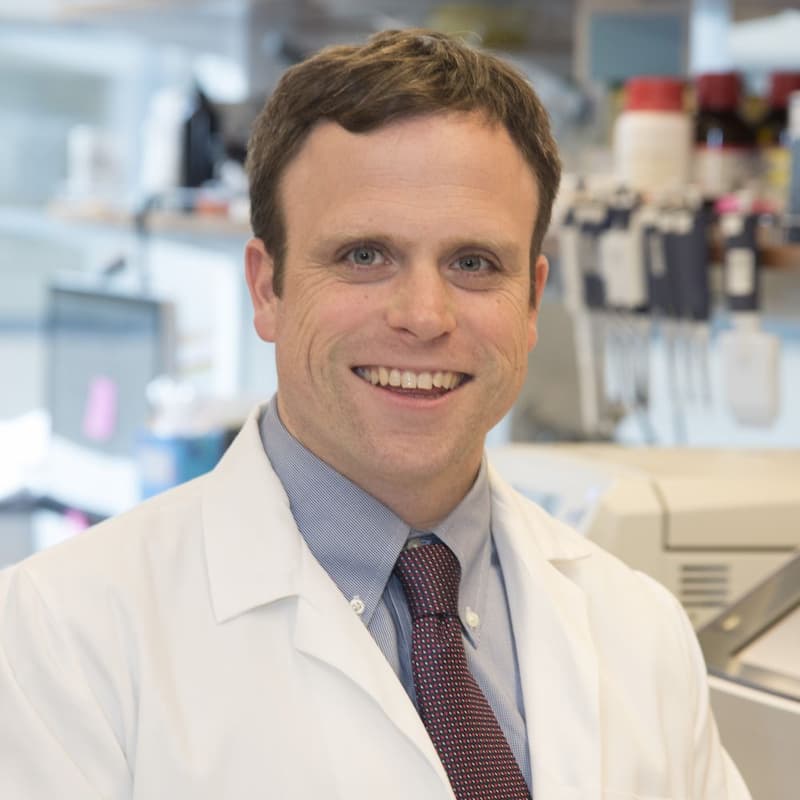
Christopher Mason, PhD
Dr. Christopher Mason is a Professor of Genomics, Physiology, and Biophysics at Weill Cornell Medicine and a leading figure in human spaceflight omics research. He has played a central role in designing and executing multi-omic studies of astronauts, including leadership on the NASA Twins Study and extensive involvement in commercial missions such as Inspiration4. His work has helped define the molecular and cellular responses of the human body to spaceflight, and has written the roadmap to optimizing human health in space in his book The Next 500 Years.
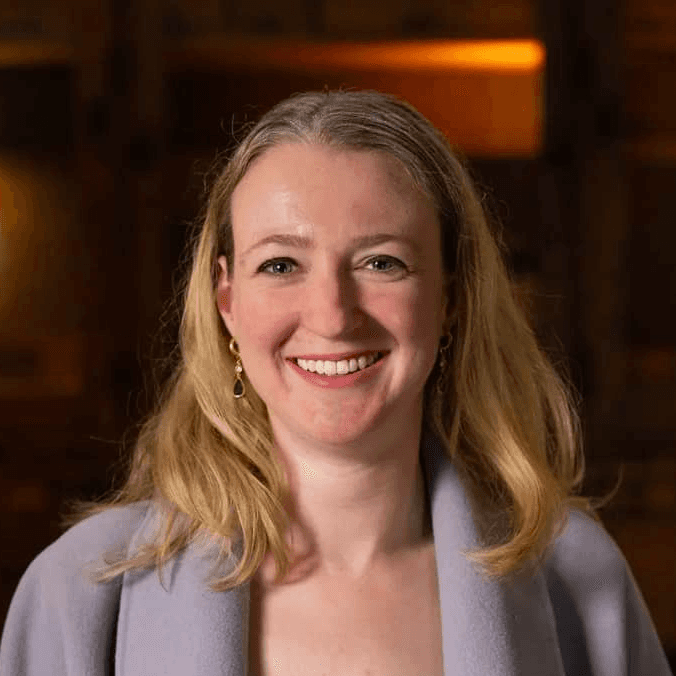
Eliah Overbey, PhD
Dr. Eliah Overbey is an Assistant Professor of Bioastronautics at the University of Austin and Chief Scientific Officer of BioAstra, where she leads efforts in astronaut biospecimen collection and molecular biomonitoring. She has played a central operational role in coordinating sample collection and research integration for commercial human spaceflight missions, including Inspiration4 and Axiom-2, Polaris Dawn, and NS-26. She led the Inspiration4 omics publication in Nature that generated over 90% of all publically accessible astronaut omics data.